Watercolor Splash Brush: A Designer’s Real-World Review
First Impressions: Loose, Lively, and Versatile
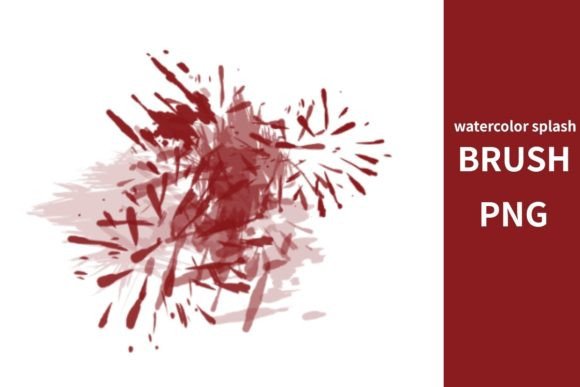
The first time I opened the Watercolor Splash Brush design file, I was struck by how fluid and expressive it looks on screen. It’s got that unmistakable watercolor vibe—soft edges, layered washes, and a painterly quality that feels artistic without being overly complex. As an embroidery designer who often works with Etsy sellers and boutique brands, I’m always on the lookout for designs that feel handmade but translate well into machine embroidery. This one hits that sweet spot.
Perfect For: Custom Tote Bags, Sweatshirts & Nursery Decor
I recently tested Watercolor Splash Brush on a custom embroidered tote bag for a client who wanted a “modern craft” look. The design scaled beautifully across the tote’s surface, and the soft gradient of the brush strokes gave it a boutique-ready finish. I also tried it on a baby onesie, and the result was dreamy—gentle enough for a newborn but still bold enough to stand out. On a sweatshirt, the splash looked like a statement piece, especially in contrasting thread colors like navy on ivory.
It also worked surprisingly well in nursery decor—printed on a pillow cover, it gave a soft, whimsical touch that parents loved. The design’s irregular edges and flowing lines make it feel organic, not stiff like some digital embroidery files can.
How It Performs in Real Embroidery Projects
Watercolor Splash Brush is a machine embroidery design that walks the line between decorative and functional. It doesn’t have overly tight satin stitches or dense fill areas that can cause puckering, which is a big plus for small business owners who may not have high-end machines. I tested it on cotton, canvas, and even a stretchy knit for a custom hoodie, and it held up well across all fabrics with the right stabilizer underneath.
One thing I appreciated was how forgiving the design is when hoop placement isn’t perfect. Because of its loose, flowing shape, minor alignment issues didn’t ruin the final look. That’s a win for crafters and small shop owners who might be stitching multiple items in a batch and don’t have time for perfect repositioning every time.
Where to Use It Carefully
While Watercolor Splash Brush is flexible, it’s not a one-size-fits-all solution. I wouldn’t recommend it for very small hoop sizes—there’s a point where the detail starts to get lost, especially in the more delicate brush strokes. On dark fabrics, the lighter threads can look washed out unless you carefully select contrasting colors. I found that using a darker background required more thread layers to maintain the watercolor effect, which added bulk and affected stitch time.
It’s also best avoided on curved surfaces like caps unless you’re using a specialized cap hoop. The irregular shape of the design doesn’t conform as easily to rounded contours, and you risk distorting the intended effect. If you’re planning to use it on a layered garment like a quilted blanket or thick apron, make sure your machine can handle the added thickness without skipping stitches.
Visual Impact: Elevating Handmade and Commercial Projects
What makes Watercolor Splash Brush stand out is how it elevates the perceived value of a finished product. Whether it’s stitched onto a personalized gift or used in a line of boutique apparel, the design adds a touch of sophistication without looking overly formal. For Etsy sellers and digital product creators, that’s gold. It reads as “handmade with care” but still feels polished enough for repeat buyers.
I noticed that customers responded more positively to items featuring this design compared to more traditional embroidery motifs. It has a modern edge that appeals to younger audiences and creative entrepreneurs looking to differentiate their product line. It’s also versatile enough to be used in both personal and commercial embroidery projects, making it a solid investment for small shop owners.
Design Notes for Embroidery Professionals
Here are a few practical takeaways from working with Watercolor Splash Brush:
- Test on scrap fabric first, especially if you’re using a new stabilizer or unfamiliar thread.
- Check thread color contrast carefully—this design relies on subtle layering, so mismatched tones can flatten the look.
- Review stitch density, particularly in the heavier splash areas, to avoid puckering on thin fabrics.
- Confirm hoop size compatibility before stitching—this design can be large, so it may not fit smaller embroidery fields.
- Inspect small details under magnification if you’re reducing the size significantly.
- Try a black and white mockup to see how the design holds up without color distractions.
- Test on both light and dark backgrounds to evaluate how it translates across fabric types.
- Use the right stabilizer—a medium-weight tear-away or lightweight cut-away works best.
- Verify licensing if you plan to sell items made with this design—always double-check the terms before listing on Etsy or other platforms.
Final Thoughts: A Strong Addition to Your Embroidery Library
Watercolor Splash Brush is more than just a trendy design—it’s a versatile, well-constructed embroidery file that can enhance a wide range of projects. From tote bags to baby clothes, it brings a soft, artistic flair that’s hard to replicate with standard embroidery motifs. As a designer who’s always evaluating digital embroidery files for real-world use, I’d definitely keep this one in my toolkit.
If you’re an Etsy seller, craft business owner, or custom apparel embroiderer, this design offers the kind of visual appeal and flexibility that can help elevate your finished product and attract repeat customers. Just be mindful of fabric choices, thread contrast, and hoop size limitations, and you’ll get the most out of this unique machine embroidery design.