Beirut Middle East Watercolor: A Designer’s Real-Use Review
First Impressions: Soft, Cultural, and Visually Expressive
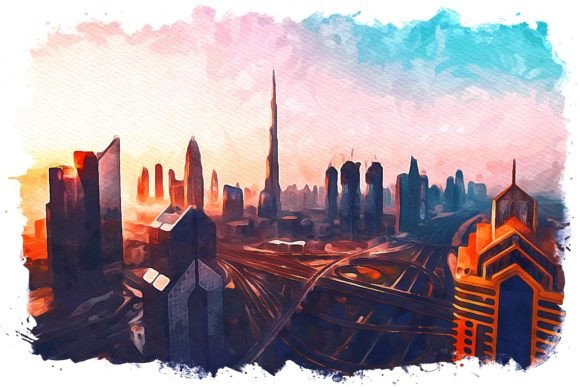
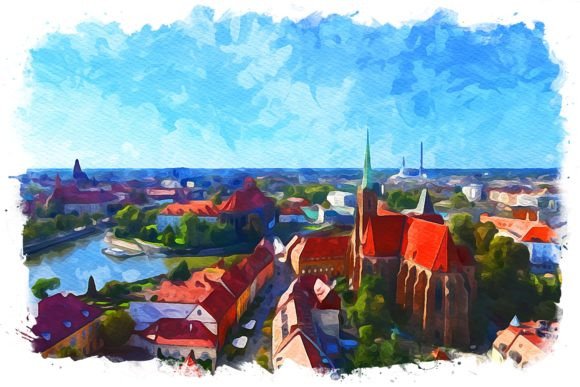
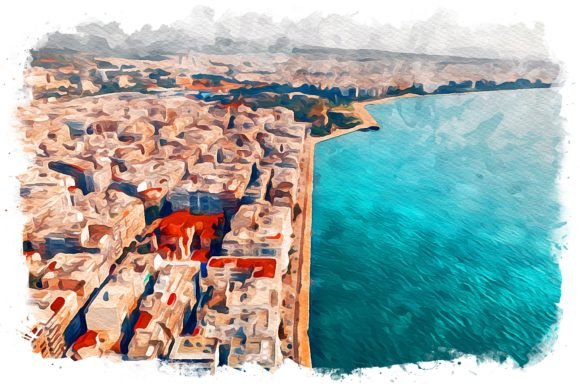
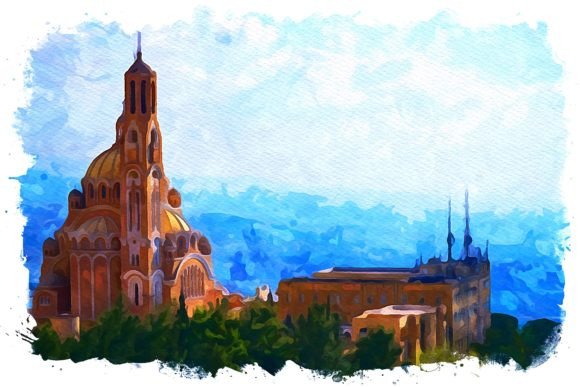
The first time I opened the Beirut Middle East Watercolor design, I was struck by its gentle, painterly aesthetic. It’s not a bold or flashy embroidery—it’s the kind of design that whispers rather than shouts. The watercolor effect gives it a soft edge, blending cultural motifs with a modern, artistic touch. It feels like a personal story told through color and shape, making it perfect for embroidered items that need emotional depth and visual warmth.
From a designer’s eye, this illustration has a balanced layout with flowing lines and organic shapes. There’s a strong sense of movement and texture, which is unusual for machine embroidery files. It doesn’t look like a typical vector-based design—it looks like it was hand-painted, then carefully digitized to maintain that expressive quality.
Real-World Use: Custom Tote Bags and More
I recently tested the Beirut Middle East Watercolor on a custom tote bag project. The goal was to create a line of artisan-inspired accessories for a boutique client who wanted to appeal to customers looking for meaningful, globally inspired designs. This embroidery file was a natural fit.
Once stitched out, the design held up beautifully on medium-weight canvas. The soft color transitions worked well with the satin and fill stitch combination. I was especially impressed with how the lighter areas of the watercolor effect translated into thread—there was no muddiness or over-saturation, which can often happen with detailed illustrative designs.
It would also work well on:
- Sweatshirts for a cozy, personalized gift
- Baby clothes, where a gentle aesthetic is key
- Pillow covers for a touch of cultural storytelling in home decor
- Aprons and tea towels for boutique kitchenware
- Holiday gifts like embroidered blankets or keepsake pouches
Where to Be Careful: Fabric, Size, and Detail Sensitivity
While the Beirut Middle East Watercolor design is visually rich, it does require some thoughtful application. I noticed that on thinner or stretchy fabrics like jersey or lightweight linen, the fine details started to blur slightly. This is especially important if you're using it for baby embroidery or custom apparel where fabric softness is a priority.
Small hoop sizes are another consideration. The design has a fair amount of detail, especially in the central motifs. If you're working with a 4x4 hoop, you may need to simplify or scale down certain elements to maintain clarity. The same goes for curved surfaces like caps or hats—those tiny flourishes can get distorted if not properly stabilized.
Dark fabrics also changed the mood of the piece. The watercolor tones became more muted, almost mysterious, which could be a plus or a minus depending on your design intent. Either way, I recommend testing the design on both light and dark mockups before production.
Design Performance: Clarity, Appeal, and Professional Touch
One of the standout features of this embroidery file is how it enhances the perceived value of a finished product. Whether it's on a tote bag or a personalized sweatshirt, the Beirut Middle East Watercolor adds a sense of craftsmanship and intention. It reads as high-end without being overly complex, which is a sweet spot for Etsy sellers and small shop owners aiming to stand out.
Stitch clarity is surprisingly good for an illustrative design. The satin and running stitch elements are well-placed, and the fill areas don’t feel too dense. That means less risk of puckering on delicate fabrics, and easier hooping overall. It also stitched cleanly on my mid-range embroidery machine without any tension issues, which is a big plus for home-based crafters and small business embroiderers.
From a branding perspective, this design has strong recognition potential. If you're building a product line around cultural themes or artistic storytelling, this design can become a signature element in your brand’s visual identity. It’s distinctive without being niche, and versatile enough to work across multiple product types.
Designer Notes: Practical Tips Before You Stitch
Here are a few key takeaways from my real-use testing:
- Test on scrap fabric before committing to your final material—especially if you're using textured or stretchy fabric.
- Check thread color contrast—the watercolor effect relies on subtle shifts, so thread selection matters.
- Review stitch density if you're working with delicate items like baby clothes or holiday ornaments.
- Confirm hoop size—don’t assume it fits your machine without checking.
- Inspect small details under magnification if you're using it on patches or small accessories.
- Test in black and white mockups to see how the design holds up without color.
- Compare light and dark backgrounds—the mood shifts significantly.
- Use proper stabilizer, especially for thin or stretchy materials.
- Verify licensing before selling any finished product or digital embroidery file.
Final Thoughts: Worth the Stitch Time
The Beirut Middle East Watercolor is more than just an embroidery design—it’s a design asset. Whether you're creating personalized gifts, boutique apparel, or commercial embroidery projects, this illustration brings a unique blend of culture, softness, and professionalism. It’s not a one-size-fits-all design, but for the right project and fabric, it delivers a visual impact that stands out in a sea of generic embroidery files.
If you're an Etsy seller or craft entrepreneur looking to elevate your product line with meaningful, globally inspired designs, this one is definitely worth adding to your embroidery project toolkit.